Everyday Beauty Tips for a Naturally Radiant Glow
In our fast-paced world, finding time for self-care can feel like a luxury. Yet, true beauty isn’t about expensive products or complicated routines—it’s about consistent, mindful habits that nurture your skin and body from the inside out. Whether you’re a busy professional or a devoted parent, integrating simple but effective beauty tips into your daily life can make a significant difference. This guide explores practical, science-backed strategies to help you achieve that coveted natural glow, boost your confidence, and feel your best every single day.
Beauty is often perceived as superficial, but the reality is that how we care for ourselves reflects our overall health and well-being. From the foods we eat to the way we manage stress, every choice we make leaves a mark on our appearance. By adopting a holistic approach, you can enhance your natural features without relying on heavy makeup or invasive procedures. Let’s dive into the essential pillars of a radiant complexion and a vibrant spirit.
The Foundation: Hydration and Nutrition
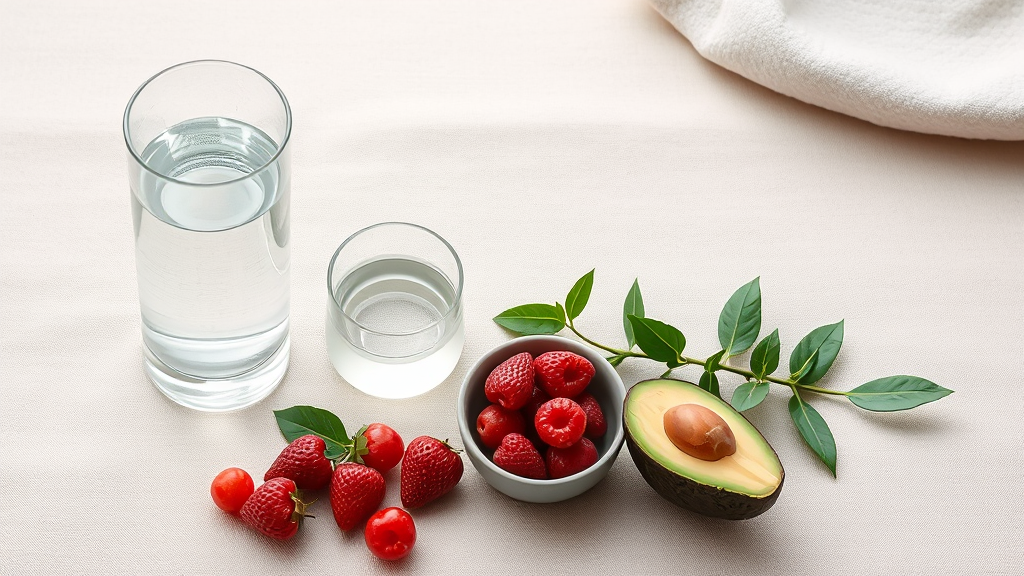
Your skin is a mirror of your internal health. No amount of topical cream can compensate for a poor diet or inadequate water intake. The first step in any effective beauty regimen is to nourish your body from within. Water is your skin’s best friend; it helps maintain elasticity, flushes out toxins, and keeps your complexion plump and dewy. Aim for at least eight glasses of water a day, and increase your intake if you’re active or live in a dry climate.
In addition to hydration, focus on a diet rich in antioxidants, healthy fats, and vitamins. Foods like berries, leafy greens, nuts, and fatty fish (such as salmon) provide essential nutrients that fight free radicals and reduce inflammation. Vitamin C, found in citrus fruits and bell peppers, is crucial for collagen production, while omega-3 fatty acids help maintain the skin’s lipid barrier. Incorporating these foods into your meals not only improves your skin but also strengthens your hair and nails. Remember, a healthy gut often translates to clear skin, so consider adding probiotic-rich foods like yogurt or kefir to your diet.
Cleansing and Moisturizing: The Non-Negotiables
A consistent skincare routine is vital, but it doesn’t have to be elaborate. The basics—cleansing and moisturizing—are non-negotiable. Cleansing removes dirt, oil, and impurities that can clog pores and lead to breakouts. However, over-washing or using harsh cleansers can strip your skin of its natural oils, causing dryness and irritation. Choose a gentle, sulfate-free cleanser that suits your skin type, and wash your face twice a day—once in the morning and once before bed. If you wear makeup, always remove it thoroughly; sleeping in makeup is one of the worst things you can do for your skin.
After cleansing, apply a moisturizer while your skin is still slightly damp to lock in hydration. Even if you have oily skin, skipping moisturizer can trigger excess oil production as your skin tries to compensate for the lack of moisture. Look for non-comedogenic products that won’t clog pores. For daytime, choose a moisturizer with SPF to protect against harmful UV rays, which are the leading cause of premature aging. At night, you can use a richer formula to support your skin’s natural repair process. These simple steps, when done consistently, can transform your skin’s texture and tone.
Sun Protection: Your Daily Shield
If there’s one beauty tip that dermatologists universally agree on, it’s the importance of sun protection. Exposure to ultraviolet (UV) radiation is responsible for the majority of visible skin aging, including wrinkles, fine lines, and age spots. It also significantly increases the risk of skin cancer. Therefore, applying sunscreen should be an integral part of your morning routine, regardless of the weather. Cloudy days still allow up to 80% of UV rays to reach your skin.
Choose a broad-spectrum sunscreen with an SPF of at least 30, and apply it generously to all exposed areas, including your neck, ears, and the back of your hands. Reapply every two hours if you’re outdoors, and more frequently if you’re swimming or sweating. For added protection, wear wide-brimmed hats and sunglasses, and seek shade during peak sun hours (10 a.m. to 4 p.m.). Remember, a tan is not a sign of health; it’s a sign of skin damage. By prioritizing sun protection, you’re not only preserving your youthful appearance but also safeguarding your health.
Sleep and Stress Management: The Beauty Rest
Your skin undergoes crucial repair and regeneration while you sleep. Lack of quality sleep can lead to dark circles, dullness, and an increase in stress hormones like cortisol, which can break down collagen and cause inflammation. Aim for 7-9 hours of uninterrupted sleep each night. Establish a relaxing bedtime routine, keep your bedroom cool and dark, and avoid screens at least an hour before bed to improve sleep quality. Using a silk pillowcase can also reduce friction and prevent sleep lines and hair breakage.
Chronic stress is another silent enemy of beauty. It triggers a cascade of hormonal changes that can lead to acne, eczema flare-ups, and premature aging. Incorporating stress-reducing practices like yoga, meditation, or deep breathing exercises into your daily routine can have profound effects on your appearance. Yoga, in particular, improves circulation, which brings oxygen and nutrients to your skin cells, giving you a healthy, rosy glow. Whether it’s a morning stretch or an evening relaxation session, finding time to unwind is essential for both your mind and your skin.
Natural Beauty Enhancements: DIY Masks and More
While commercial products are convenient, sometimes the best beauty tips come from nature’s pantry. DIY face masks using ingredients like honey, yogurt, oatmeal, and avocado can provide a nourishing boost without harsh chemicals. Honey is a natural humectant and antibacterial, making it excellent for dry or acne-prone skin. Oatmeal soothes irritation and gently exfoliates. Avocado is rich in healthy fats and vitamins that deeply moisturize. You can easily create a customized mask at home to address your specific skin concerns.
For example, a simple honey and yogurt mask can brighten dull skin and leave it feeling silky. Mix two tablespoons of plain yogurt with one tablespoon of raw honey, apply to your face, leave on for 15 minutes, and rinse with warm water. For a gentle exfoliating scrub, combine ground oatmeal with a little milk and massage onto your skin in circular motions. These natural treatments are not only cost-effective but also free from synthetic fragrances and preservatives. However, always patch-test a small area first to ensure you don’t have an allergic reaction. Incorporating these weekly rituals can enhance your glow and make your skincare routine feel more like a self-care treat.
Makeup Tips: Enhancing, Not Masking
Makeup should be a tool to enhance your natural features, not to hide them. The key to a radiant look is a well-prepped canvas. Start with a good primer to create a smooth base, then apply a lightweight foundation or tinted moisturizer that matches your skin tone perfectly. Avoid the common mistake of testing foundation on your wrist; instead, test it along your jawline to find the right match. Use concealer sparingly to cover blemishes or dark circles, and blend thoroughly.
When it comes to eyes and lips, choose colors that complement your skin tone. A touch of blush on the apples of your cheeks can instantly liven up your face, while a subtle highlighter on the high points of your cheekbones, brow bone, and cupid’s bow adds a healthy, lit-from-within glow. For a natural look, opt for cream products that blend seamlessly into the skin. And don’t forget to remove all makeup before bed—this is non-negotiable for maintaining clear, healthy skin. Remember, less is often more; a fresh, dewy look is universally flattering and timeless.
Lifestyle Habits: Beyond the Surface
Your daily habits extend far beyond your skincare routine. Regular exercise, for instance, boosts blood circulation, which delivers oxygen and nutrients to your skin cells, giving you a post-workout glow that no highlighter can replicate. Exercise also helps reduce stress and promotes better sleep, both of which are beneficial for your skin. Even a brisk 30-minute walk can make a difference.
Additionally, avoid habits that can sabotage your beauty efforts. Smoking and excessive alcohol consumption are notorious for accelerating aging and depleting your skin of essential nutrients. Smoking narrows blood vessels, reducing blood flow and giving skin a sallow appearance, while alcohol dehydrates your body and skin. If you’re looking for a comprehensive approach to wellness, consider incorporating more mindful practices into your day. For more insights on holistic health and wellness, you might find valuable resources on leading a balanced lifestyle. Your skin is a reflection of your overall health, so making positive lifestyle choices is one of the most effective beauty tips you can follow.
Consistency Is Key
The most important aspect of any beauty routine is consistency. Sporadic efforts will not yield lasting results. By integrating these practices into your daily life, you create a sustainable foundation for long-term skin health and a radiant appearance. It’s not about perfection; it’s about showing up for yourself every day. Start with small changes—drink more water, apply sunscreen, get enough sleep—and gradually build from there. Over time, you’ll notice not only an improvement in your skin but also a boost in your overall well-being.
Remember that beauty is not a one-size-fits-all concept. What works for one person may not work for another, so it’s important to listen to your skin and adjust your routine as needed. Consult with a dermatologist if you have specific concerns. Most importantly, embrace your unique features and let your inner confidence shine through. When you feel good on the inside, it shows on the outside.
Frequently Asked Questions
How often should I exfoliate my skin?
Exfoliation frequency depends on your skin type. For most people, 2-3 times a week is sufficient. If you have sensitive skin, limit it to once a week to avoid irritation. Always use a gentle exfoliant and follow up with a moisturizer.
Can I use coconut oil as a moisturizer?
Coconut oil can be moisturizing for some, but it is highly comedogenic, meaning it can clog pores and cause breakouts for others. It’s best to test it on a small area first, and if you have acne-prone skin, opt for non-comedogenic alternatives like jojoba or squalane oil.
Do I need to wear sunscreen indoors?
Yes, if you are near windows, as UVA rays can penetrate glass and contribute to skin aging. Even on cloudy days, UV rays reach your skin. It’s a good habit to apply sunscreen every morning, regardless of your indoor/outdoor plans.
What is the best way to reduce dark circles?
Dark circles can be caused by genetics, lack of sleep, allergies, or dehydration. Ensure you’re getting enough sleep, stay hydrated, and apply a cream with caffeine or vitamin C. Cold compresses can also help constrict blood vessels and reduce puffiness.
How long does it take to see results from a new skincare routine?
Skin cell turnover takes about 28 days, so you may start seeing subtle changes in a month. However, significant improvements in texture, tone, and firmness can take 2-3 months of consistent use. Patience and consistency are key.
