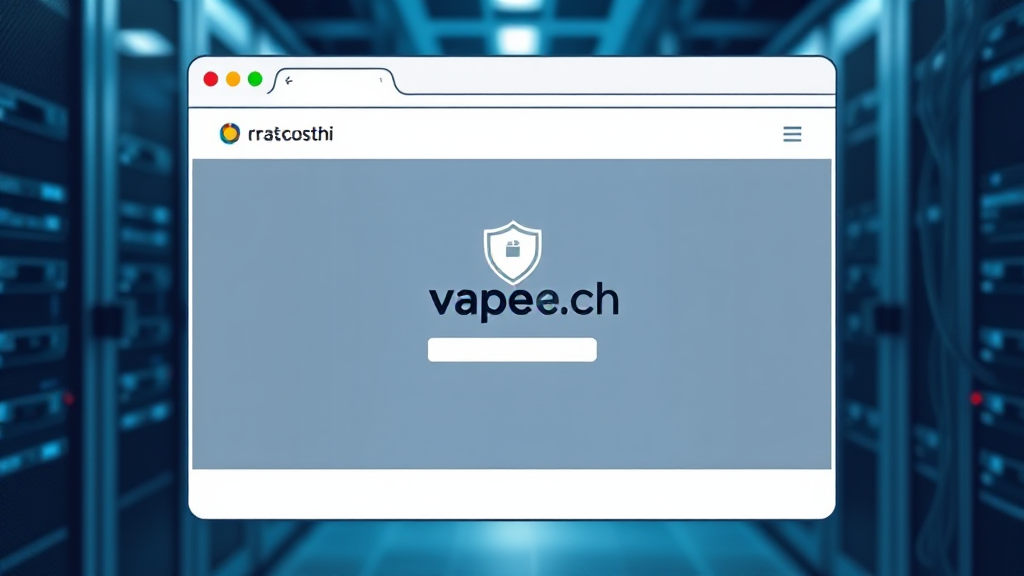
vape.ch Is Not What You Think: Inside the Security Check
When you type vape into your browser, you probably expect to land on a shop selling e-cigarettes, disposable pods, or nicotine salts. The domain name practically screams vaping. It is short, memorable, and the keyword is right there in the address. So it is completely reasonable to assume that vape.ch is a vaping retailer, a review hub, or a manufacturer’s homepage. That assumption, however, falls apart the moment the page actually loads. Instead of product photos and a shopping cart, you get something far less glamorous: a browser verification screen. No vape juice, no starter kits, no puff bars. Just a loading indicator and a short message about bot detection. If that sounds confusing, you are not alone. This article walks through the most common assumptions people make about vape.ch and then explains what is really happening behind that unexpected security check.
Assumption One: The Domain Must Match the Content
This is the biggest myth of all. We are trained to believe that a domain name tells us exactly what a website does. If it says “vape,” it must be about vaping. If it says “pizza,” it must sell pizza. In practice, domain names are just labels. They can be parked, repurposed, redirected, or used for infrastructure that has nothing to do with the literal meaning of the word. A domain can be owned by one company and pointed at servers managed by a completely different provider. The visible brand on the page may not match the domain at all, and that is exactly what happens here.
When you visit vape.ch, the page you see is not a vaping storefront. It is a security verification layer. The text on the screen references bot detection powered by Anubis, along with a loading message. That is the language of web hosting and website protection, not retail. The domain may suggest vaping, but the actual content is a hosting security check. The label and the function have simply drifted apart.
Assumption Two: A Security Check Means Something Is Wrong
Another common reaction is fear. When a page suddenly shows a verification screen instead of the content you expected, it is easy to assume the site is broken, hacked, or dangerous. In reality, browser checks are a normal part of modern web infrastructure. They exist to separate real visitors from automated traffic. Bots scrape content, attempt credential stuffing, hammer login pages, and consume server resources. A verification step helps filter that noise before it reaches the actual application.
The check you see on vape.ch is not a warning sign. It is a gate. It is doing its job by asking your browser to prove it is a genuine user rather than a script. Once that proof is accepted, the page can proceed. The loading indicator is not an error state; it is the pause while that verification completes. Understanding this changes the experience from suspicious to routine.
Assumption Three: The Brand Behind the Page Is the Vape Brand
People often assume that whoever owns the domain also built the page. That is not always true. The verification layer on vape.ch is associated with Trendhosting, a web hosting and website security provider. The visible text mentions bot detection powered by Anubis, which is a security mechanism, not a vaping product. This means the page you are looking at is likely part of a hosting environment, a parked domain, or a protected endpoint that sits in front of whatever content may eventually be served.
In other words, the brand you encounter is not a vape company. It is an infrastructure provider. The domain name is simply the address that points to that infrastructure. If you were expecting to buy e-liquid, you are in the wrong place, but you are not in a dangerous place. You are just early in the request chain, before the actual site content loads.
Assumption Four: The Page Is Useless If It Is Not a Shop
Finally, many visitors conclude that a page without products is a dead end. That is a narrow view. A security verification page serves a real purpose: it protects the server, the domain owner, and ultimately the visitors themselves. Without checks like this, automated attacks would be far more effective. The fact that vape.ch shows a browser check tells you that someone is actively managing the domain and its security posture, even if the content behind it is not a vaping store.
So what should you actually take away from this? First, do not judge a website by its domain alone. Second, a verification screen is a feature, not a fault. Third, if you arrived at vape.ch hoping for vaping products, you will need to look elsewhere, because this address is currently serving a hosting security check rather than a retail experience. The name is misleading, but the technology is doing exactly what it was designed to do.
The next time you see a loading screen with bot detection language, you will know what it means. You will recognize it as a standard protective layer, not a broken site. And you will understand that domains like vape.ch can be repurposed for infrastructure that has nothing to do with their literal name. That is not a glitch in the internet; it is just how the web works.
