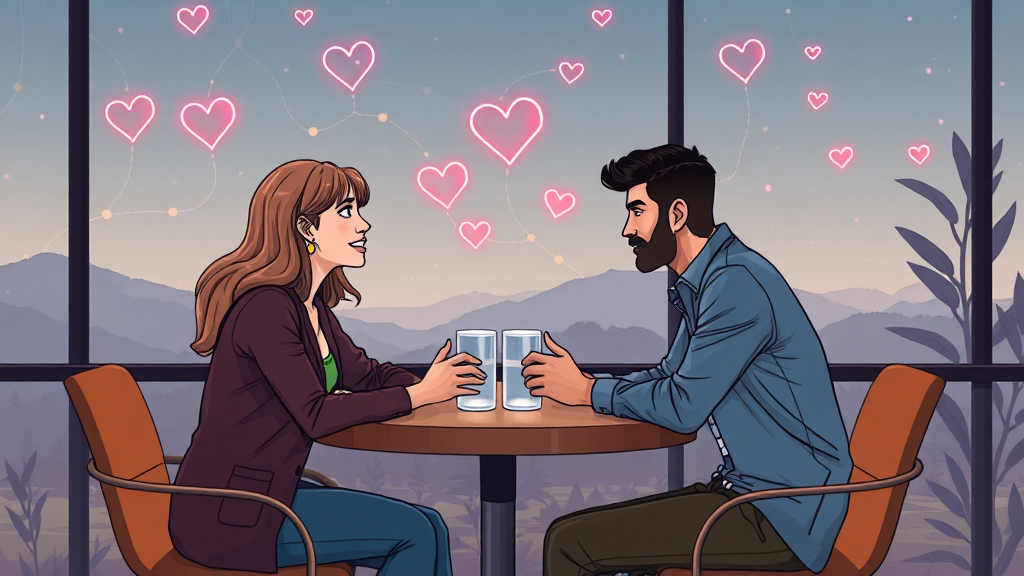
Why We Get a Crush On Someone: The Psychology and Technology Behind Attraction
Few human experiences are as universally felt yet as poorly understood as having a crush on another person. It can strike suddenly in a classroom, develop slowly between two coworkers, or even bloom through a screen during a late-night conversation. That flutter of excitement, the obsessive replaying of small interactions, and the nervous hope that the feeling might be mutual — these are the hallmarks of a crush. But what is actually happening in our brains and bodies when we develop one? And how is modern technology, from dating apps to AI companions, reshaping the way crushes form and fade?
This article explores the science, psychology, and digital culture of crushes. Whether you are nursing a secret admiration or simply curious about why humans are wired for romantic fixation, understanding the mechanics of a crush can make the experience less confusing and more meaningful.
The Brain Chemistry of a Crush
When you develop a crush, your brain releases a cocktail of neurochemicals that resembles the early stages of romantic love. Dopamine, the neurotransmitter associated with reward and motivation, surges whenever you see or think about the person. This is why a simple text notification from them can feel disproportionately thrilling. The brain essentially learns to associate their presence with pleasure, creating a feedback loop that encourages you to seek more contact.
At the same time, norepinephrine increases alertness and can cause physical symptoms like a racing heart, sweaty palms, and the inability to think clearly around them. Serotonin levels, interestingly, drop during early romantic attraction, which may explain why people with crushes often obsess over the object of their affection — the same low-serotonin pattern is seen in obsessive-compulsive disorder. This chemical cocktail is temporary by design; it motivates us to pursue a relationship long enough to form a deeper bond.
Psychological Triggers: Why That Specific Person?
Crushes are not random. Psychologists have identified several factors that make certain people more likely to trigger our romantic attention. Proximity is one of the strongest: we tend to develop feelings for people we see regularly, whether that is a classmate, a colleague, or a neighbor. Familiarity breeds comfort, and comfort can blossom into attraction.
Reciprocity also plays a powerful role. When we sense that someone might like us back, our own feelings intensify. This is why a smile, a lingering glance, or a thoughtful comment can accelerate a crush dramatically. Physical attractiveness matters, but it is often amplified by personality traits such as warmth, humor, competence, and confidence. Interestingly, people are also more likely to develop crushes during transitional life phases — starting a new job, moving to a new city, or recovering from a breakup — when they are emotionally open and seeking connection.
From Real Life to Digital Space: How Technology Changes Crushes
For most of human history, crushes developed through face-to-face interaction. Today, a significant portion of romantic attraction begins online. Social media allows us to observe someone’s life in curated fragments, which can intensify a crush through imagination. We fill in the gaps with idealized versions of who they might be, and that fantasy can be more compelling than reality.
Dating apps have also changed the timeline of a crush. Instead of developing over weeks of shared experiences, attraction can spark from a profile photo and a clever bio. Messaging creates a sense of intimacy without physical presence, which can accelerate emotional attachment. However, this digital intimacy can also be fragile — a delayed reply or a mismatched emoji can send a hopeful heart into a spiral of overanalysis.
The Rise of AI Companions and Parasocial Crushes
A newer frontier in the world of crushes is the rise of AI companions. Platforms like CrushOn.ai allow users to interact with AI-generated personalities, and some people develop genuine emotional attachments to these digital characters. While it is not a traditional crush in the biological sense, the psychological mechanisms are surprisingly similar: anticipation, curiosity, and the reward of reciprocal attention.
These interactions can provide comfort, practice for social skills, or simply entertainment. For people who feel lonely or socially anxious, an AI companion can offer a low-pressure space to explore feelings of attraction. That said, it is important to recognize the difference between a simulated connection and a human relationship. A crush on an AI character can be fun, but it should not replace the messy, unpredictable, and ultimately more fulfilling work of connecting with real people.
How to Handle a Crush in a Healthy Way
Crushes can be delightful, but they can also be painful, especially when they are unrequited. Here are some practical ways to navigate the experience without losing yourself in it.
1. Acknowledge the feeling. Pretending you do not have a crush rarely works. Admitting it to yourself — even writing it down — can reduce its power over your thoughts.
2. Assess the reality. Ask yourself whether you are attracted to the actual person or to a fantasy you have built. If you have not spent much time together, your crush may be based on projection rather than reality.
3. Set boundaries. If the person is unavailable, or if pursuing them would hurt you or someone else, limit your exposure. Unfollow, mute, or reduce contact if necessary. Out of sight really does help the heart move on.
4. Channel the energy. The excitement of a crush can be redirected into creative projects, exercise, or social activities. Many people find that the intensity fades once they reinvest in their own lives.
5. Consider confessing — carefully. If the crush is appropriate and you sense mutual interest, telling the person can bring clarity. Rejection hurts, but it also frees you to move forward. Uncertainty, on the other hand, can keep you stuck for months.
The Difference Between a Crush and Love
Crushes are often confused with love, but they are distinct experiences. A crush is typically intense, obsessive, and focused on your own feelings — how the person makes you feel, what they think of you, and whether they will reciprocate. Love, by contrast, is more stable, grounded in mutual respect, and concerned with the other person’s well-being as much as your own.
Crushes can evolve into love, but they can also fade once you get to know the person better. That is not a failure; it is simply the natural process of attraction giving way to reality. The key is to enjoy the rush of a crush without mistaking it for a lifelong commitment.
When a Crush Becomes Unhealthy
While most crushes are harmless, some can become problematic. If you find yourself neglecting work, friendships, or basic self-care because of a crush, it may be time to step back. Obsessive thoughts that interfere with daily functioning, jealousy toward the person’s other relationships, or persistent sadness when they do not respond can be signs that the crush has crossed into unhealthy territory.
In such cases, talking to a therapist or counselor can help. They can guide you through the underlying emotions — loneliness, low self-esteem, or fear of intimacy — that may be fueling the obsession. Remember that a crush should add to your life, not consume it.
Conclusion: Embracing the Rollercoaster
Having a crush on someone is one of the most human experiences there is. It reminds us that we are capable of hope, desire, and connection. Whether your crush is a coworker, a celebrity, a digital companion, or someone you met online, the feeling is valid and worth understanding. By learning the psychology and neuroscience behind attraction, you can navigate your emotions with more clarity and less anxiety. And who knows — sometimes a crush really does lead to something beautiful.
Frequently Asked Questions About Crushes
How long does a typical crush last?
Most crushes last anywhere from a few weeks to several months. If the feelings are not reciprocated or if you have limited contact with the person, the intensity usually fades within three to six months. However, crushes can linger for years if you continue to see the person regularly or if you feed the fantasy through social media.
Can you have a crush on someone you have never met?
Yes. With the internet, parasocial crushes on celebrities, online friends, or even AI characters are increasingly common. The brain responds to imagined intimacy in similar ways to real interaction, so the feelings can be genuine even without physical presence. Just be mindful of the difference between a fantasy and a real relationship.
Is it normal to have a crush while in a relationship?
It is surprisingly common. Being in a committed relationship does not switch off your capacity for attraction. What matters is how you handle it. A fleeting crush is usually harmless, but acting on it or obsessing over it can harm your primary relationship. Use it as a signal to reinvest in your partner and address any unmet needs.
How do I get over a crush that is not reciprocated?
Start by accepting that the feeling is real but temporary. Reduce contact with the person, delete their number if necessary, and focus on activities that bring you joy. Talk to friends, write in a journal, and give yourself time. If the crush persists and causes distress, consider speaking with a therapist.
Can a crush turn into true love?
Absolutely. Many long-term relationships begin as crushes. The key is to move beyond the fantasy stage and build a real connection based on shared values, communication, and mutual respect. A crush can be the spark, but love is the fire you tend together.
